Canopy Pruning in Reno, NV
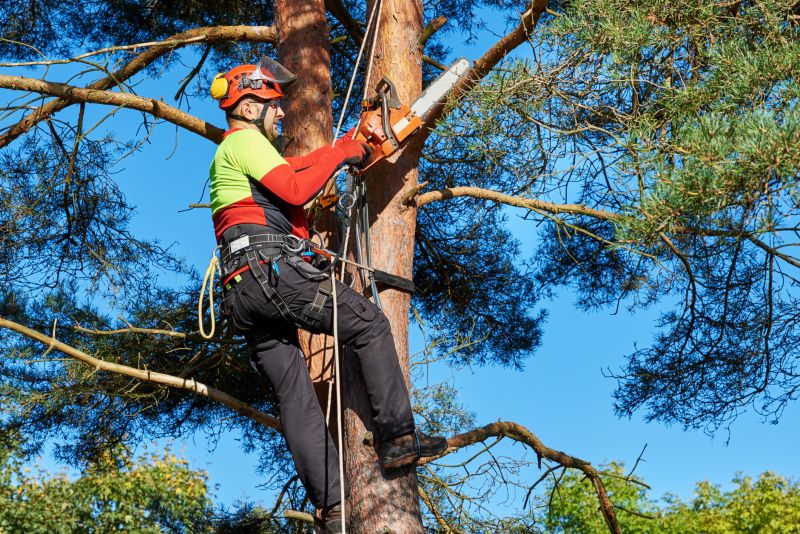
Canopy pruning services involve carefully trimming the upper branches and foliage of trees to improve their overall health, appearance, and safety. This type of pruning is often requested for projects such as thinning dense canopies, removing dead or diseased branches, shaping trees for aesthetic purposes, or reducing the risk of falling limbs. Property owners typically want to understand which parts of the tree will be pruned, how the process will affect the tree’s growth, and whether the work will enhance safety and visibility around their property.
Before requesting canopy pruning, property owners should consider the specific goals for their trees, such as improving sunlight penetration or preventing potential hazards. It is also helpful to understand the best timing for pruning to promote healthy growth and to identify any existing issues, like disease or structural concerns, that may influence the scope of work. Clear communication about the desired outcomes can ensure that the pruning is performed effectively and aligns with the overall landscape plan.
Many property owners in Reno, NV look into Canopy Pruning for repairs, replacements, upgrades, and appearance-related improvements.
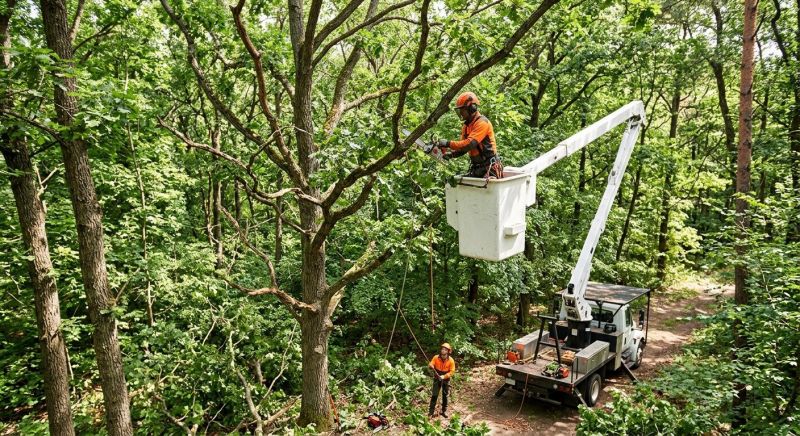
Canopy Pruning Services
Examples of canopy pruning work property owners may explore in reno, nv.
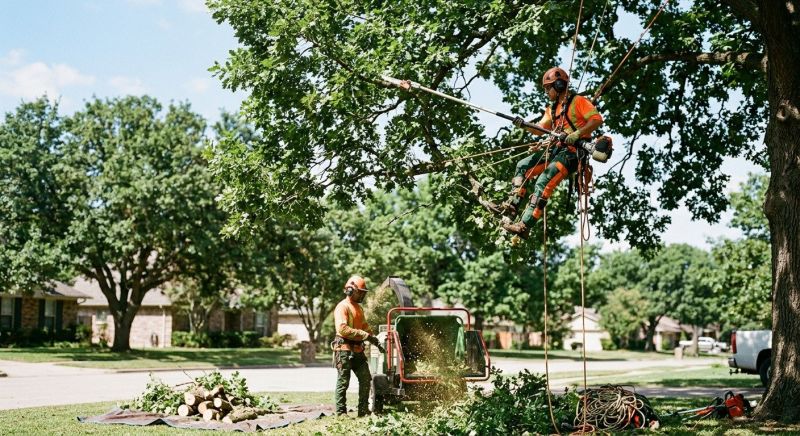
Canopy Pruning Updates
Common ways people refresh, improve, or restore canopy pruning features in reno, nv.
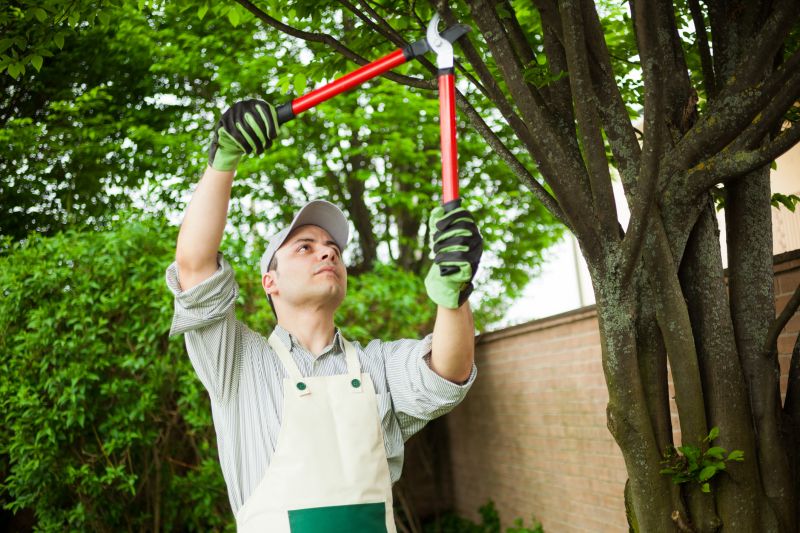
Canopy Pruning Options
Different styles, layouts, and finishes people consider for canopy pruning in reno, nv.
Canopy Pruning in Reno, NV

Canopy pruning services involve carefully trimming the upper branches and foliage of trees to improve their overall health, appearance, and safety. This type of pruning is often requested for projects such as thinning dense canopies, removing dead or diseased branches, shaping trees for aesthetic purposes, or reducing the risk of falling limbs. Property owners typically want to understand which parts of the tree will be pruned, how the process will affect the tree’s growth, and whether the work will enhance safety and visibility around their property.
Before requesting canopy pruning, property owners should consider the specific goals for their trees, such as improving sunlight penetration or preventing potential hazards. It is also helpful to understand the best timing for pruning to promote healthy growth and to identify any existing issues, like disease or structural concerns, that may influence the scope of work. Clear communication about the desired outcomes can ensure that the pruning is performed effectively and aligns with the overall landscape plan.
Many property owners in Reno, NV look into Canopy Pruning for repairs, replacements, upgrades, and appearance-related improvements.
Common Canopy Pruning Jobs
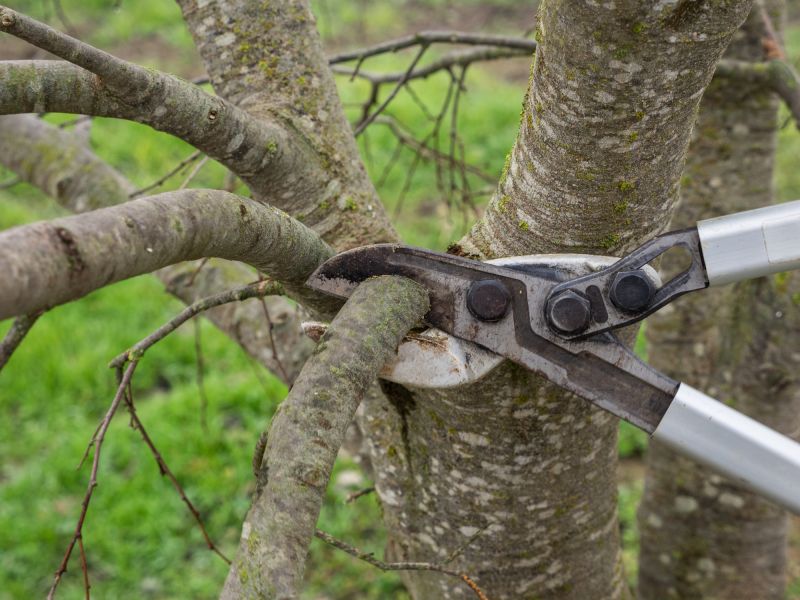
Canopy pruning involves trimming the upper branches to improve tree health and structure.
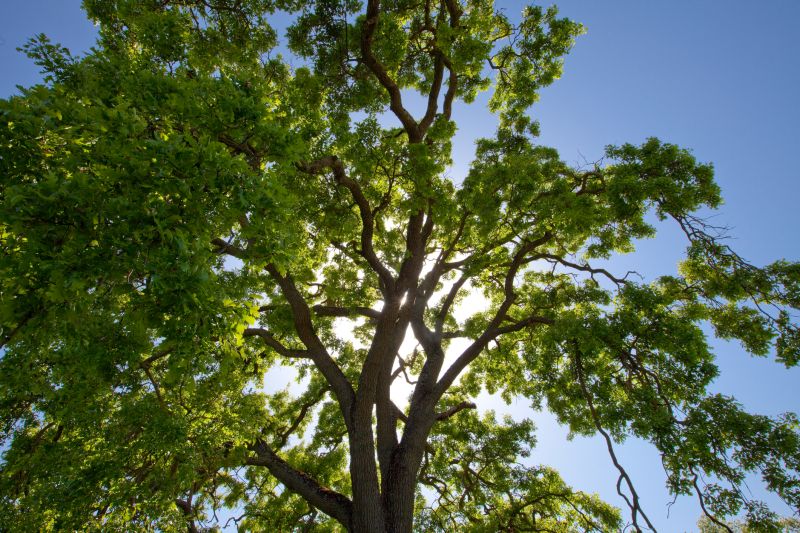
Tree canopy thinning reduces dense foliage to increase sunlight penetration and airflow.
Selective pruning removes damaged or diseased branches to promote overall tree vitality.
Structural pruning shapes the canopy to prevent potential hazards and support balanced growth.
Elevation pruning involves trimming the upper canopy to prevent interference with power lines or structures.
Crown reduction decreases the height or spread of the canopy for safety and aesthetic purposes.
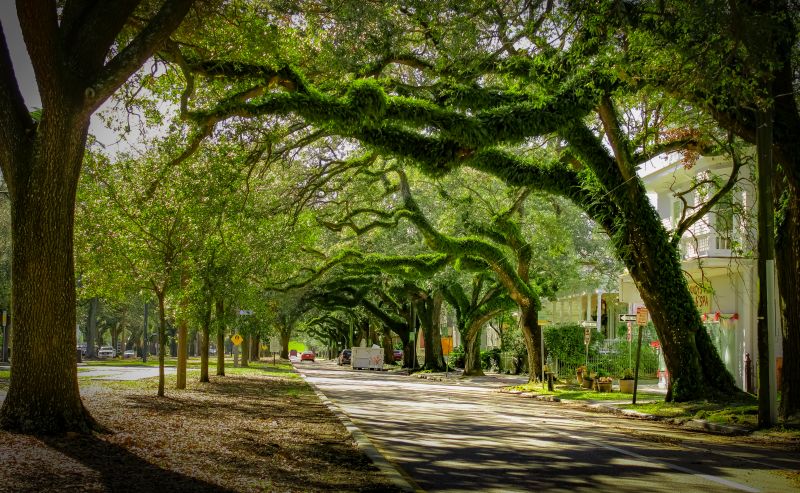
Canopy Pruning Questions
What is canopy pruning? Canopy pruning involves selectively trimming tree branches to improve structure, health, and appearance of the tree's upper growth.
Why should property owners consider canopy pruning? It helps maintain tree stability, promotes healthy growth, and enhances the overall look of the landscape.
What types of trees benefit from canopy pruning? Most mature trees, including shade trees and ornamental varieties, can benefit from this pruning method.
When is the best time to schedule canopy pruning? The ideal time is during the tree's dormant season or early in the growing season for optimal results.
Request Canopy Pruning in Reno, NV
Use the quote form on this page to share the basics of your project and request more information for the type of work you need.