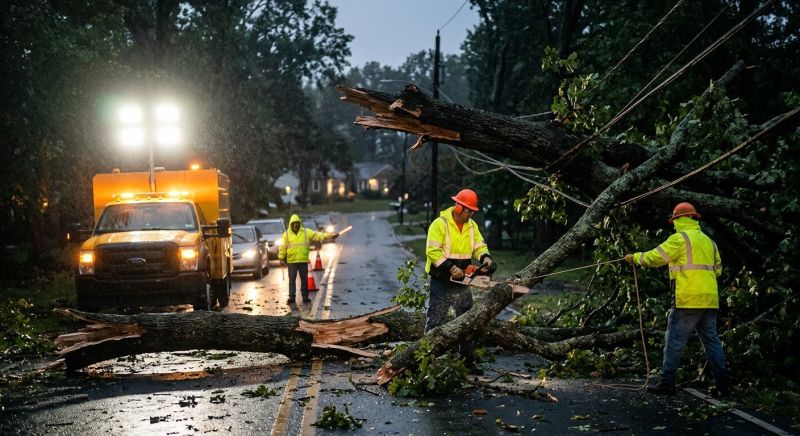
Emergency Tree Removal in Allentown, PA
Emergency tree removal services are designed to address urgent situations involving trees that pose an immediate threat to safety or property. These projects typically involve removing fallen, damaged, or unstable trees caused by storms, high winds, or other severe weather events. Property owners often seek this service to prevent further damage to structures, power lines, or landscaping, especially when a tree’s condition makes it hazardous or when it has already fallen and needs swift removal.
Before requesting emergency tree removal, property owners should understand the extent of the damage and the urgency of the situation. It is helpful to assess whether the tree is blocking access, threatening nearby structures, or creating a safety hazard for residents or passersby. Clear information about the location, size, and condition of the tree can facilitate a prompt response, ensuring the situation is managed efficiently and safely.
Many property owners in Allentown, PA look into Emergency Tree Removal for repairs, replacements, upgrades, and appearance-related improvements.
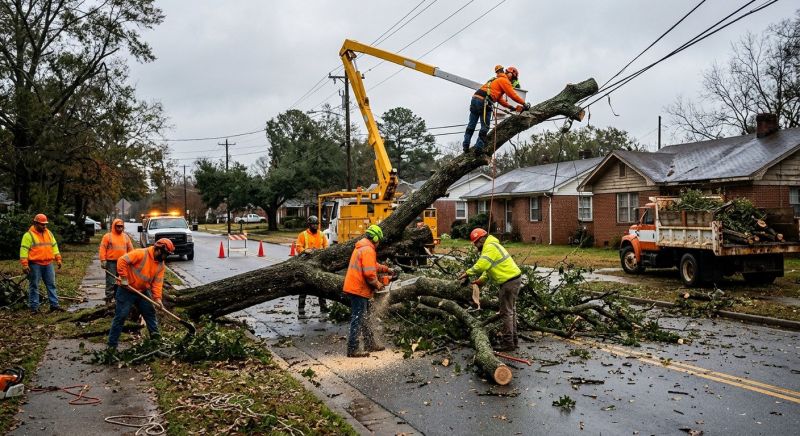
Urgent Tree Removal Needs
Removing hazardous trees quickly to protect property and safety.
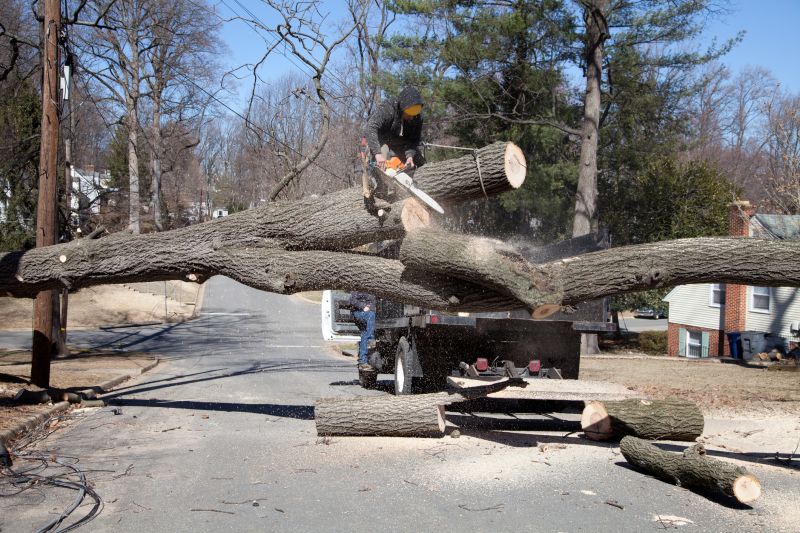
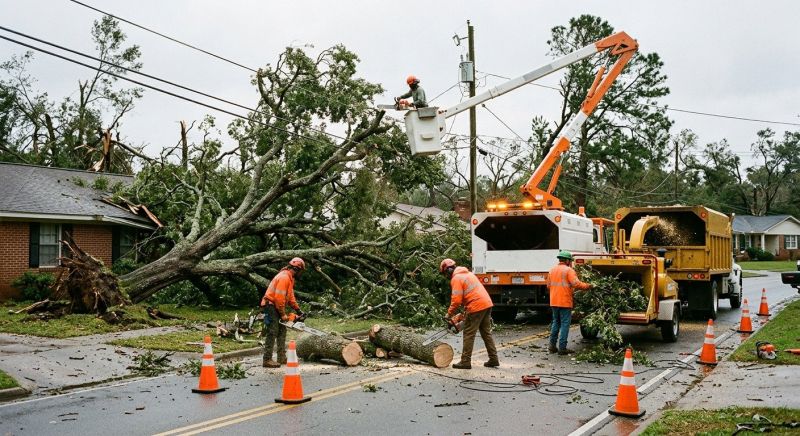
Storm Damage Response
Clearing fallen or damaged trees after severe weather events in allentown.
Unsafe Tree Assessments
Identifying trees that pose a risk of falling or causing damage to structures.
Emergency Tree Removal in Allentown, PA

Emergency tree removal services are designed to address urgent situations involving trees that pose an immediate threat to safety or property. These projects typically involve removing fallen, damaged, or unstable trees caused by storms, high winds, or other severe weather events. Property owners often seek this service to prevent further damage to structures, power lines, or landscaping, especially when a tree’s condition makes it hazardous or when it has already fallen and needs swift removal.
Before requesting emergency tree removal, property owners should understand the extent of the damage and the urgency of the situation. It is helpful to assess whether the tree is blocking access, threatening nearby structures, or creating a safety hazard for residents or passersby. Clear information about the location, size, and condition of the tree can facilitate a prompt response, ensuring the situation is managed efficiently and safely.
Many property owners in Allentown, PA look into Emergency Tree Removal for repairs, replacements, upgrades, and appearance-related improvements.
Common Emergency Tree Removal Jobs
Emergency Tree Removal - Quickly removes trees that pose immediate safety hazards.
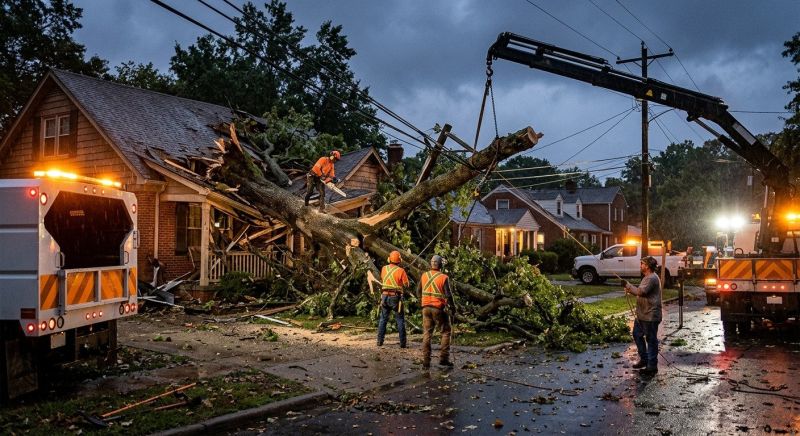
Storm Damage Response - Clears fallen or broken trees after severe weather events.
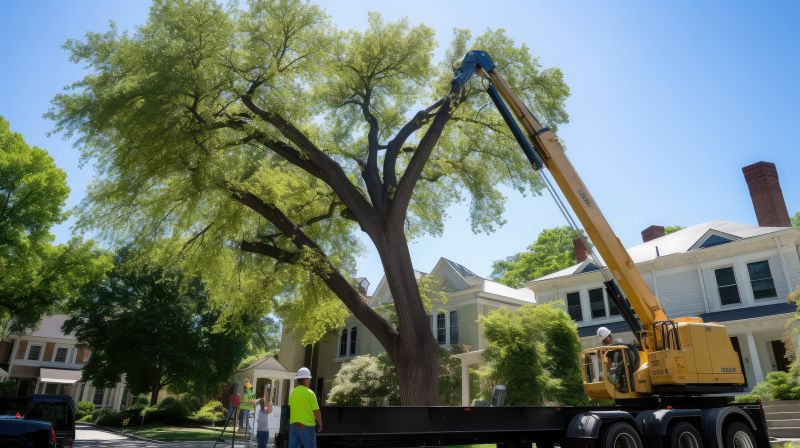
Hazard Tree Removal - Eliminates trees at risk of falling to prevent property damage.
Uprooted Tree Cleanup - Removes trees that have been uprooted and are blocking pathways.
Dead or Diseased Tree Removal - Handles trees showing signs of disease or decay to protect surrounding trees.
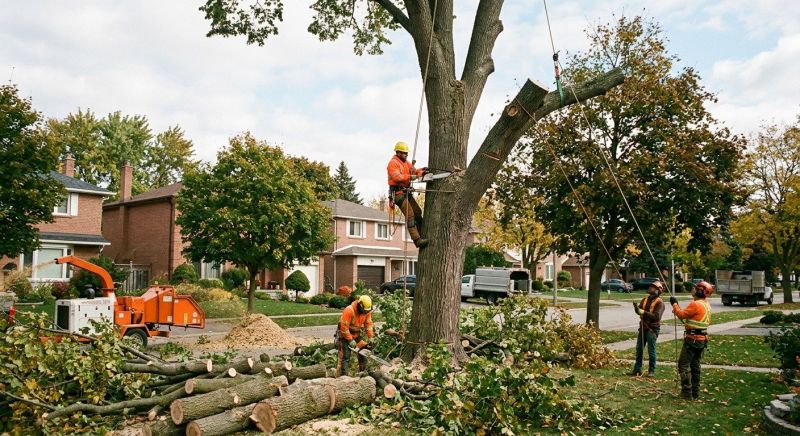
Unsafe Tree Sections Removal - Takes out broken branches or sections that could fall unexpectedly.
Emergency Tree Removal Questions
What situations require emergency tree removal? Emergency removal is needed when a tree is posing an immediate risk, such as after a storm, or if it shows signs of instability or damage that could lead to collapse.
How can I tell if a tree needs urgent removal? Signs include large broken branches, leaning significantly, cracks in the trunk, or roots that have been exposed or lifted from the ground.
What are common causes of urgent tree removal requests? Storm damage, disease, decay, or structural failure often lead property owners to seek immediate removal services.
What should property owners do before emergency tree removal? Keep clear of the area, and if possible, mark the tree to help professionals assess the situation quickly and safely.
Request Emergency Tree Removal in Allentown, PA
Use the quote form on this page to share the basics of your project and request more information for the type of work you need.